Psychology, as the science of behavior, can offer evidence so that parents, children and other members of the family system can decide for themselves how important it is to recognize and rebalance some of the gaps, damage or lingering traces that COVID has left on emotional health. In the same way, in other areas of society, decision makers (bosses, human resources staff, consultants) can include and keep in view the psychological factor in public and private assessments, planning and interventions. With this in mind, we present a review of recent findings from psychology that can help in addressing the different situations the coronavirus has caused.
Psychological health means that, at least 60% of the time, a person or a community is mostly in a state of balance and harmony in which they:
- Feel free and, because of that, calm, at peace and content.
- Are autonomous: they have their own set of values and norms, which may or may not match those of others.
- Move forward with their goals, turning their wishes into effective plans and actions.
- Feel that they are living satisfactorily at least 60% of the time over a period of at least six months (the psychological present).
Psychological illness is the opposite: not feeling free and so not being able to feel calm or at peace; losing the sense of autonomy and being subject to outside decisions and rules; frustration at not being able to move forward with plans and projects; and dissatisfaction with what one is living more than 40% of the time.
A simple look at these facts shows that, for public health, the danger is not only the virus itself but how quickly it spreads through the population and reaches high-risk groups in a short time, which leaves emergency services unable to respond well to high demand in a short period. In the case of the COVID-19 pandemic, evidence has shown that no matter what stage of exposure to the virus a person may be in (in quarantine after being exposed; in isolation after being infected; under preventive social distancing; or after being discharged), all of the suggested preventive measures include behavioral measures.
In the past there have been illnesses similar to the coronavirus, such as Middle East respiratory syndrome (MERS) and severe acute respiratory syndrome (SARS), from which we can draw important evidence to better understand COVID-19 and, better still, try to reach conclusions that help predict the demands on health in general and on psychology in particular. But without a doubt, it is probably the respiratory infection that has caused the most international impact and harm in recent decades, all because of how fast and how easily it spreads and takes the lives of thousands of people in every corner of the planet. The coronavirus is a microscopic organism that is not even a cell, but it attaches to some human cells, using them as a means of transport, testing their white blood cells and challenging people to become immune before jumping to another body through the tiny droplets of saliva or mucus that infected people release when they talk, cough or sneeze. In just a few months, the coronavirus spread across the whole planet, abruptly upending the way of life of 7.8 billion human beings, and one of the areas seriously affected has been people's emotional health.
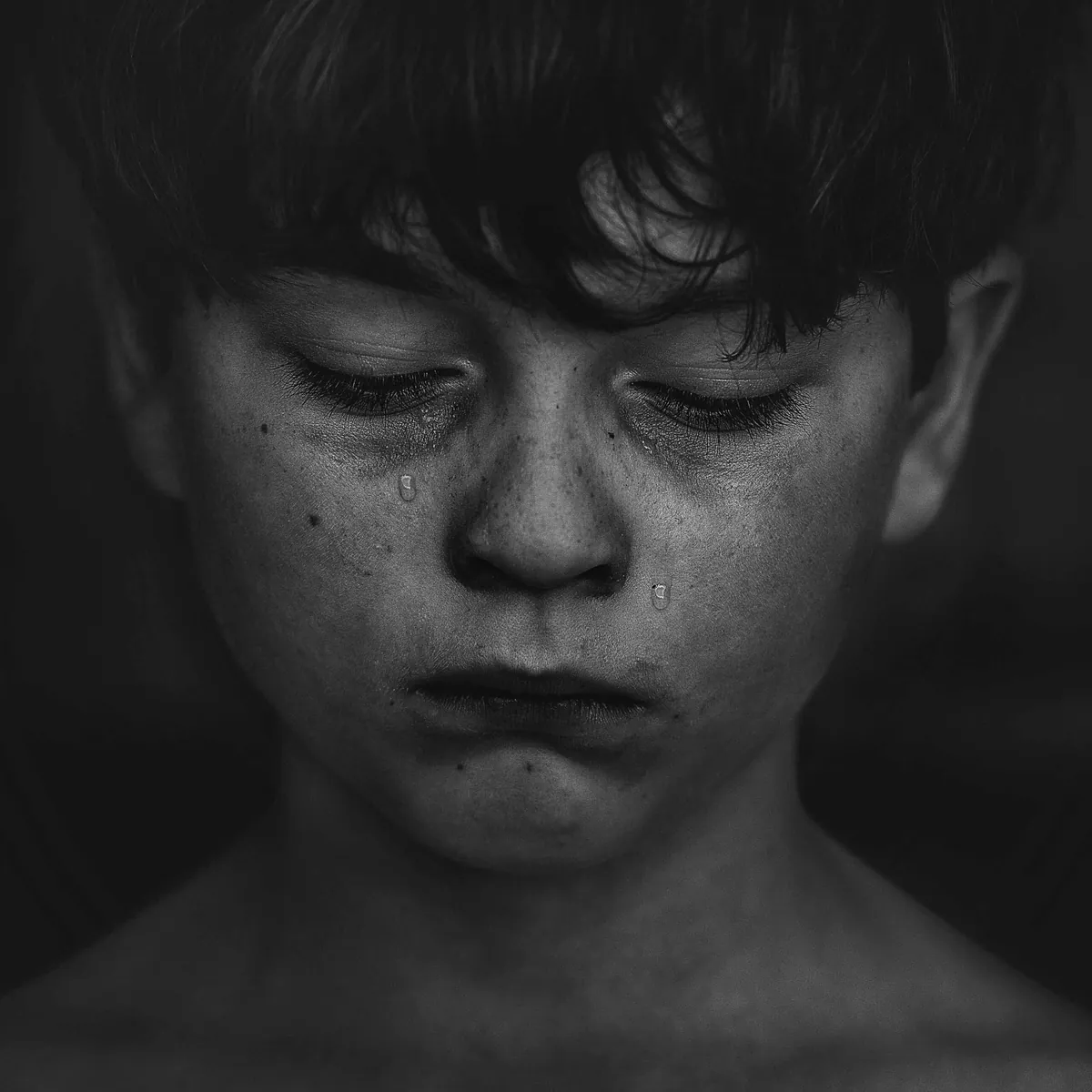
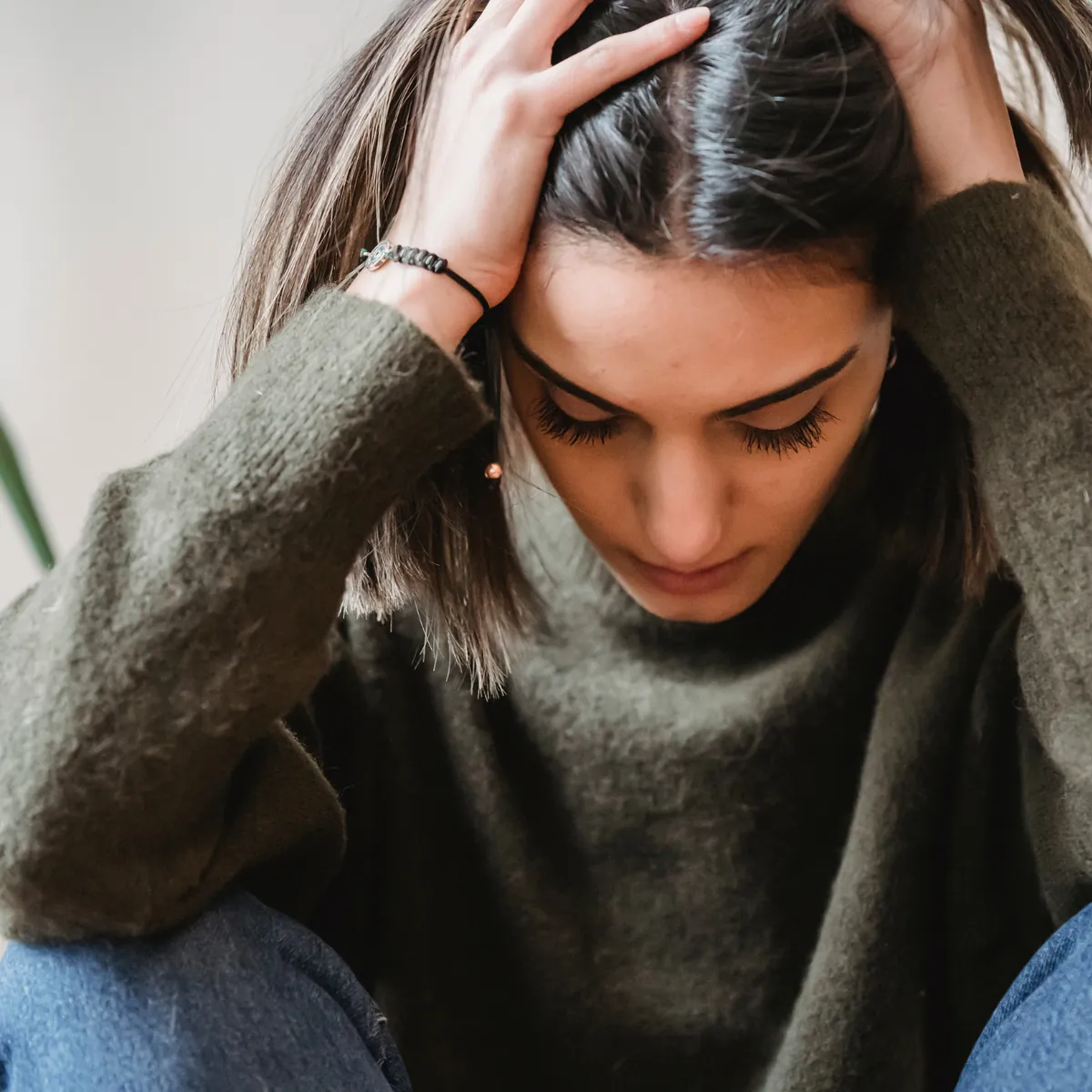
Because this human experience of a pandemic is so recent, the full evidence is not yet available; however, specialists are already reporting a series of psychological reactions and states seen in the population, including effects on mental health (Torales, O'Higgins, Castaldelli-Maia & Ventriglio, 2020). Shigemura, Ursano, Morganstein, Kurosawa & Benedek (2020) point out that people's first emotional responses include extreme fear and uncertainty. In addition, given the fear and distorted perceptions of risk and harmful consequences, negative social behaviors have been reported. These states and behaviors can lead to public mental health problems, including distress reactions (insomnia, anger, extreme fear of the illness even in people who have not been exposed), behaviors that put health at risk (such as more alcohol and tobacco use, and social isolation) and specific disorders such as post-traumatic stress disorder, anxiety disorders, depression and somatization.
These same symptoms, and the need for therapeutic interventions, apply to children as well (Shen, Yang, Wang et al., 2020). Li, Wang, Xue, Zhao and Zhu (2020) report a similar effect. They studied messages posted on Weibo (a Chinese social media site) before and after COVID-19 was declared on January 20, 2020, and found that negative emotions such as anxiety, depression and indignation, along with sensitivity to social risks, went up, while positive emotions (for example, happiness) and life satisfaction went down. Overall, they found that people worried more about their health and their family, and less about leisure and friends.
On top of that, the economic recession and the steep rise in unemployment and in closures of small and medium-sized businesses also brought emotional strain, frustration, depression and despair, which in turn have damaged relationships and stirred up heated rivalries in many areas and levels of social life.
So learning or strengthening the way we cope with this situation has to do with taking the initiative to join processes and methods that support human resilience, through psychological support, group therapy, or family and couples therapy. These different paths enrich the way we see the world and our circumstances, because a professional approach offers another kind of very useful input. In addition, complementary medicine, reiki, meditation, mindfulness, hypnotherapy, coaching and more offer other perspectives on our own lives and on the new goals that are starting to blossom after this pandemic, giving us ways to reach them and to support ourselves.
Originally published on April 1, 2021 on the Healthy Solutions blog. It is general information and not a substitute for professional care.